
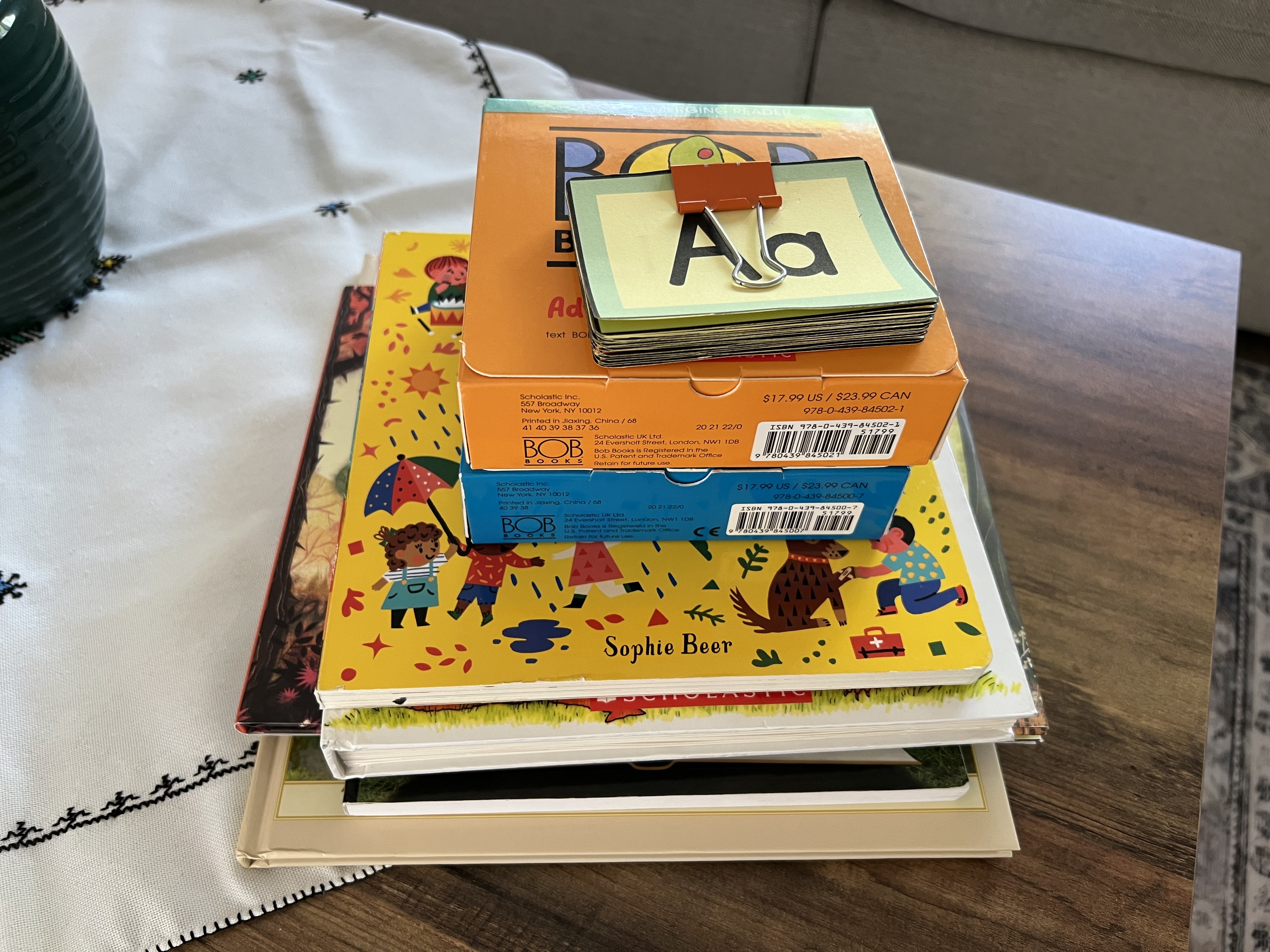

Teaching your child to read can feel intimidating, making you wonder if you truly have what it takes. The good news is that you don’t need hours of complex lessons to build a strong reader.
By dedicating just 10 to 15 minutes a day, you can lay a solid foundation for early literacy. Here are five simple steps you can start implementing today.
1. Read Aloud to Your Child Every Single Day

Reading to your child is just as essential as feeding, playing, and dressing them. Daily read-alouds expose your child to rich vocabulary, diverse stories, and exciting adventures.
- Pro Tip: Don’t worry if your child can’t sit still! Reading while they play or draw still helps them absorb language rhythm and comprehension skills.
2. Teach Phonics with Simple Alphabet Cards

Before diving into whole words, focus on letter sounds. Use flashcards featuring a clean, simple font to avoid visual clutter and distraction.
- Why it works: Mastering phonics helps children connect letters with their distinct sounds, giving them the tools to decode new words independently.
3. Transition to Decodable Books

Once your child knows their basic letter sounds, introduce decodable readers like Bob Books.
- Why decodables matter: Decodable books align directly with the phonics sounds your child has learned, allowing them to practice reading full stories without feeling overwhelmed. They gradually build confidence as your child moves from basic letter recognition to simple sentences.
4. Use an All-in-One Phonics Curriculum

To keep your teaching structured, select a systematic phonics curriculum that combines reading and spelling into sequential steps.
Look for a program that is affordable, requires zero prep work, and follows a logical progression. A systematic method works exceptionally well for both young beginners and older, struggling readers.
5. Keep Lessons Short and Consistent
Consistency matters far more than duration. Limit your direct instruction to short, 10-minute daily blocks to keep learning fun and frustration-free. Ending lessons while your child is still engaged leaves them feeling accomplished and excited for the next session.


Leave a Reply